

Ladies and gentlemen, shareholders of the land association,
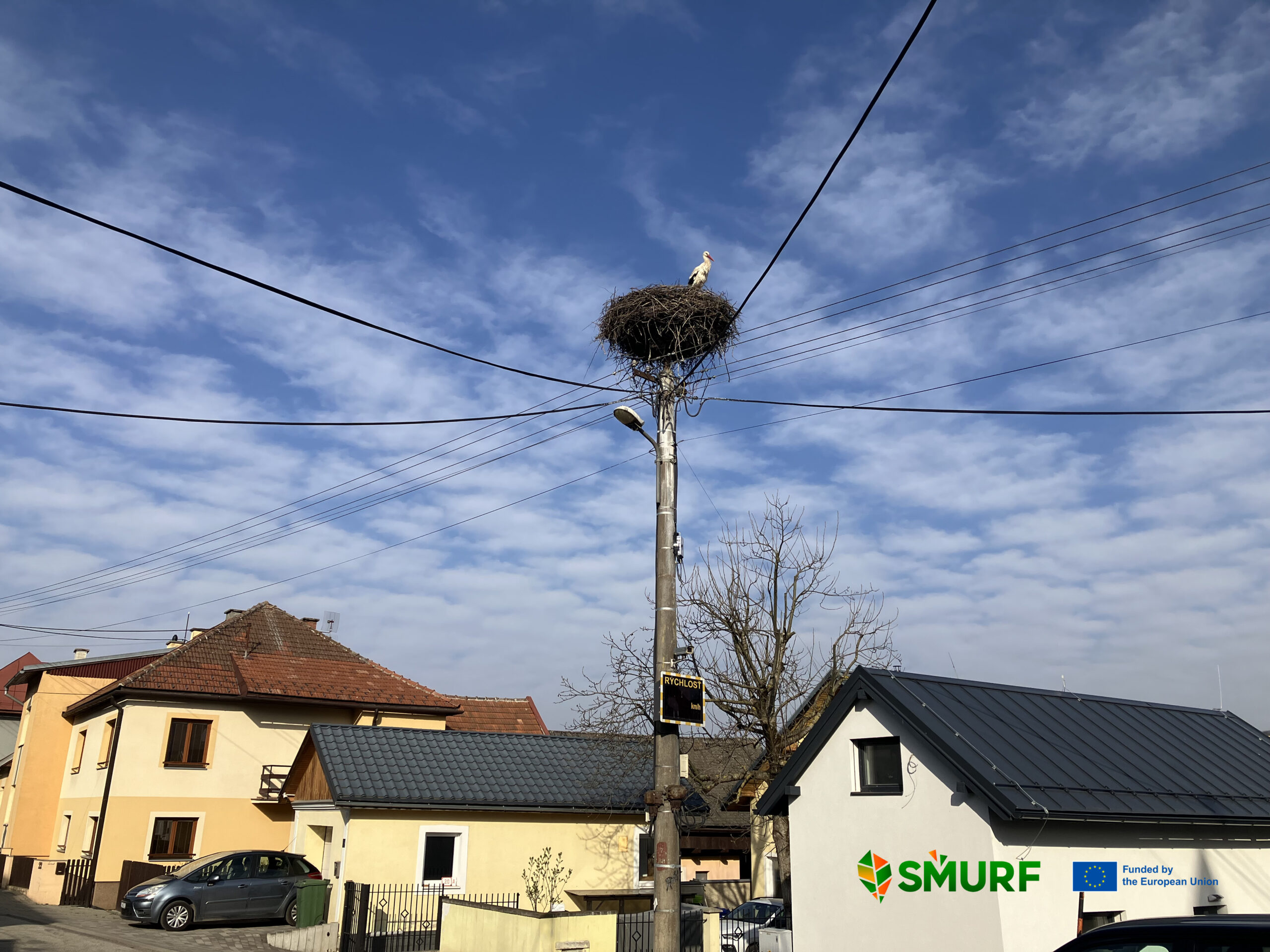
The Community Office hereby informs you that our Land Community, as you are informed, is involved in the European Project SMURF 2, which is in line with the European Union Forest Strategy. The main objectives are sustainable forest management, economic viability and efforts to shape the future of small forest enterprises in Europe. Spring is here, the spring season is undoubtedly one of the most beautiful seasons of the year, especially for a person who notices what is happening in nature. The birds start singing, the singing starts to increase and starts to get louder and goes from everywhere. The spring migration of birds is one big natural miracle. Everyone will also be pleased with the annual arrival of a white stork to its nest. Its journey from southern Africa is very demanding, over 8,000 km long, and it can fly up to 30,000 km during the year. This is a bird species that winters mainly in the area of Chad, Sudan and Ethiopia. With its size and search for updrafts, it can fly considerable distances in a short period. Even our white storks are back in their nest with us (see photo). As part of our activities, which we carry out within the framework of the SMURF 2 Project and in accordance with all policies of the SMURF 2 project, we have agreed with our Professional Forestry Manager and accepted his request for the performance of forestry work in our forest stands.
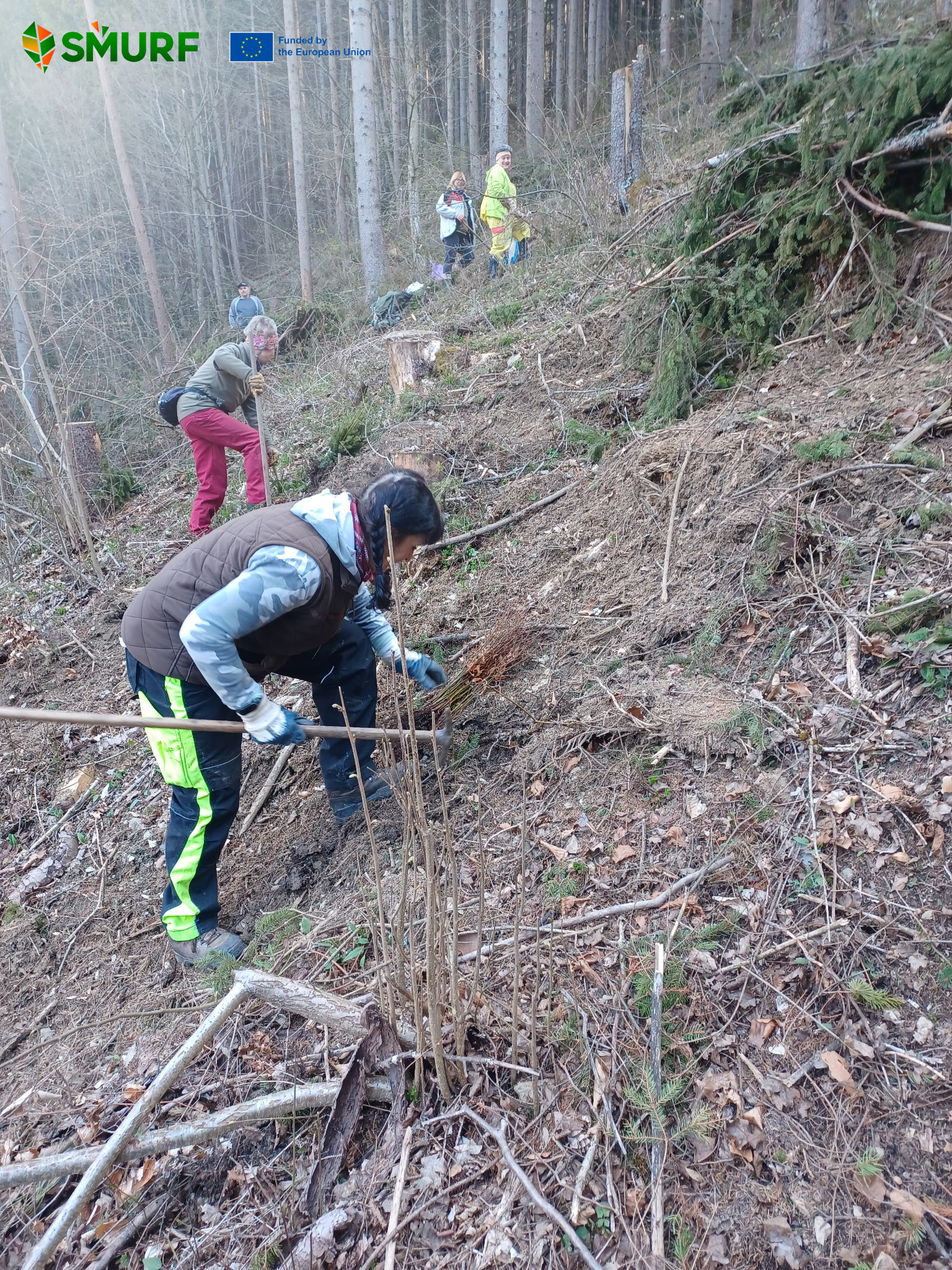
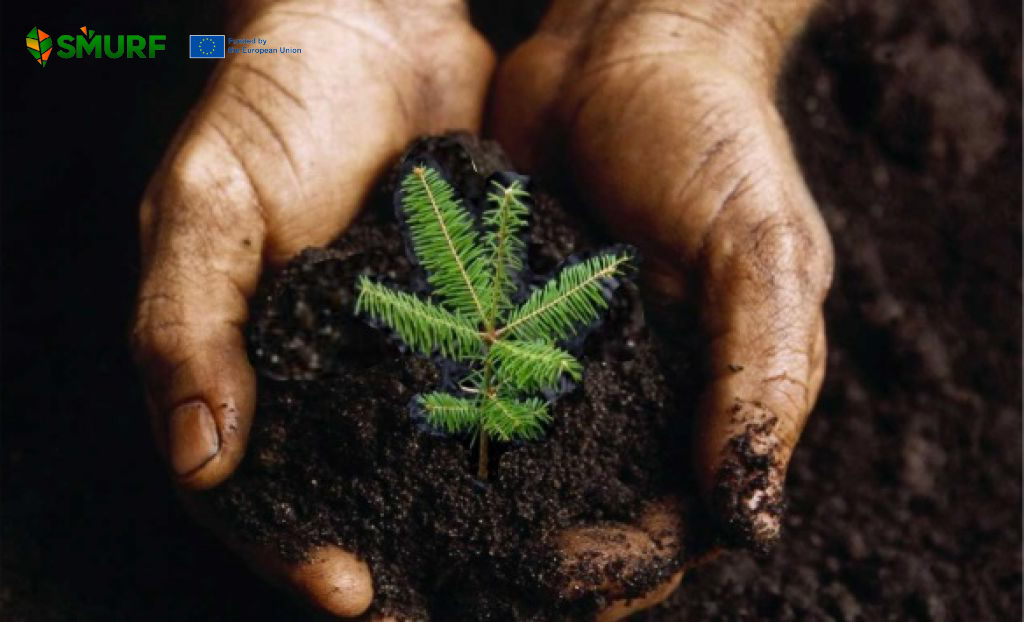
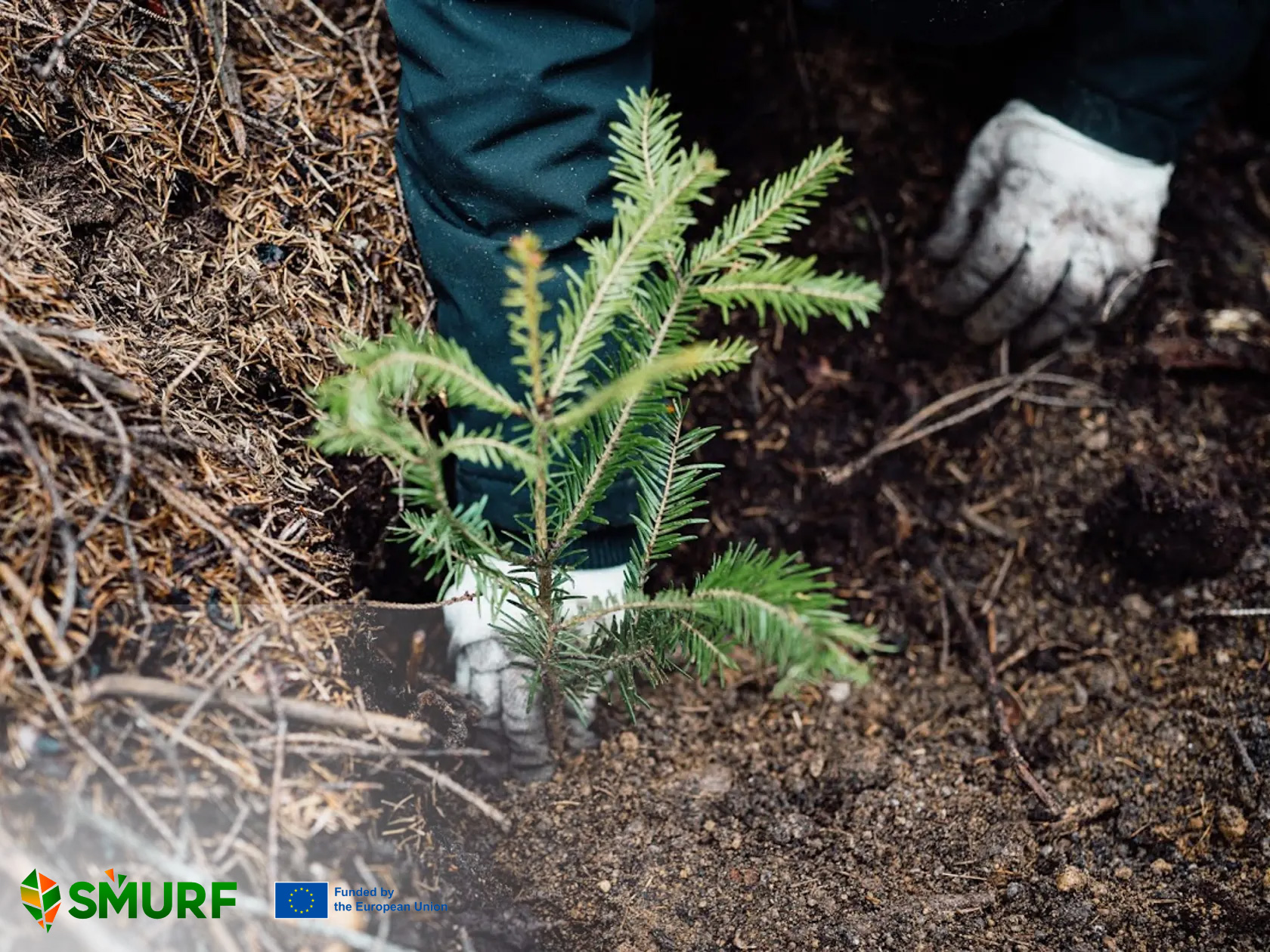
With the upcoming event on April 22 , Earth Day, which is the most famous and popular among the international days with an environmental focus and which has become a world holiday that draws people’s attention to the impact of environmental destruction, we made the decision to organize a brigade. As part of the effort to restore and preserve forests, our community has launched an initiative aimed at planting trees. The goal is to revitalize damaged forest areas. A total of 1500 trees were planted as part of this initiative, of which 500 were Norway spruces, 450 red spruces, 150 European beeches and 400 white firs. These types of trees have been selected for their ability to adapt to local climatic conditions. Planting trees is a key step in restoring and maintaining forests, but natural factors such as drying out of trees are a significant obstacle. The land community encounters this problem regularly and takes measures to ensure successful forest restoration. Intense sunlight on the southern slopes causes excessive evaporation of water and overheating of the soil, resulting in a lack of moisture for the trees. „Every tree is an investment in the future of our forests.“ Replanting is a process in which dried or dead trees are replaced with new ones. This process is key to ensuring the successful restoration of forest stands, in which community members are also involved. „We are proud to contribute to the restoration of our forests and the improvement of the environment,“ said one of the community members. The restoration of the forest community is an essential part of successful forest management. The land association plans to continue this activity in the coming years.
It’s not just about reforestation, it’s also about building a stronger community and preserving natural heritage for future generations.