

The office of the land association informs its members, On August 1st, our Land Community, which is involved in the European Project SMURF 2, which is in line with the European Union Forest Strategy, whose main goals are sustainable forest management, economic viability and the effort to shape the future of small forest enterprises in Europe, held a meeting of all interested parties on the occasion of the World Day for Nature Conservation, which we commemorate every year on July 28. At the joint meeting, the following text was developed and adopted, which we are publishing and with which we have acquainted all cooperating organizations and land communities.
World Nature Day: Why is it not enough to think about the planet only once a year?
When you go hiking, swimming by the lake or just for a walk in the woods, you probably don’t care how many species of plants and animals live around you. You take it for granted. However, the truth is that it is nature that makes our cities more livable, provides clean water, food and the air we breathe. Maybe you are one of those people who will say that one memorable day andso will not change anything. You are only partially right. The date alone will not save the planet, but it can remind us that nature conservation is not just a task for scientists, conservationists or politicians. It concerns each of us.
Why on this day?
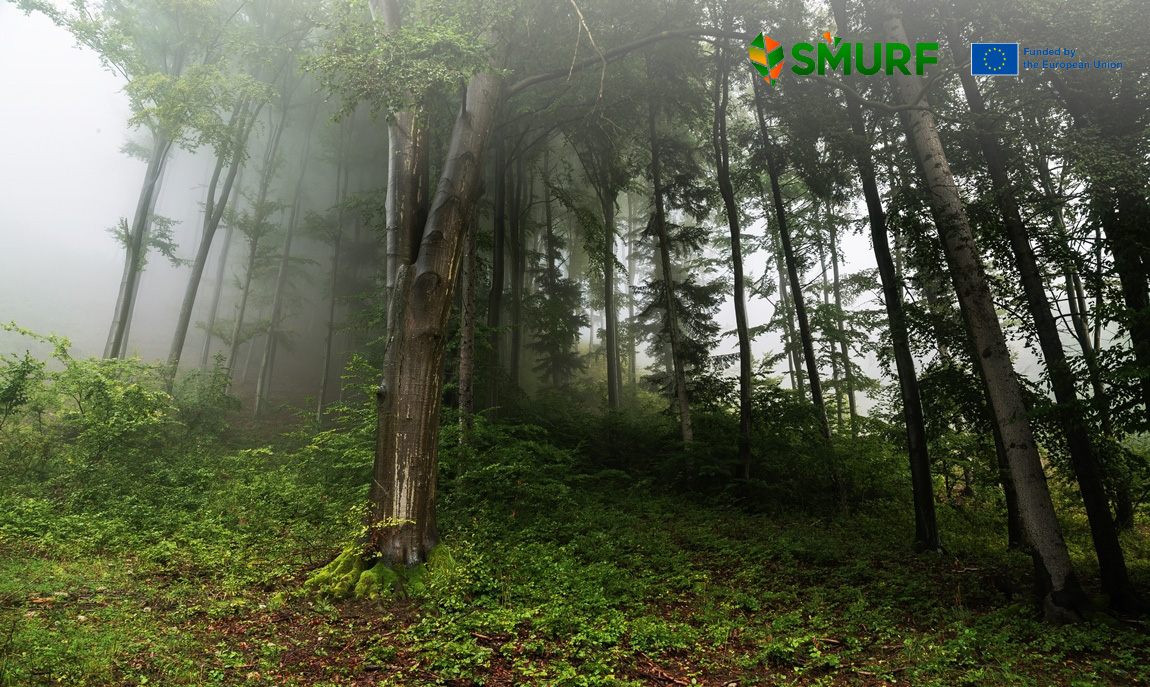
World Nature Conservation Day draws attention to the fact that without healthy nature, people’s lives will not work. Forests, rivers, wetlands or meadows are not just a nice backdrop for a weekend trip. They provide a home for thousands of species of plants and animals, help regulate the climate, retain water in the landscape and contribute to giving us something to eat and drink. That is why this day is associated every year with the challenge of protecting biodiversity – i.e. the diversity of life on Earth. The more species of plants, animals and ecosystems nature can sustain, the more resistant it is to change and the better it works for humans.
How did it come about?
The idea of dedicating one day to nature conservation was created to draw attention to the growing problems faced by ecosystems around the world. World Nature Conservation Day is commemorated every year on July 28, and organizations and conservationists use it to remind people that nature conservation is not a one-time action, but a long-term responsibility. The message remains the same today, healthy nature means a healthier future for all of us.
It’s not just the Amazon’s problem
When talking about the destruction of nature, most people think of rainforests or melting glaciers. In fact, changes are happening much closer. Natural habitats are disappearing, insects that pollinate crops are decreasing, waste ends up in rivers and forests, and extreme weather events are becoming more frequent. Therefore, nature conservation is not just about saving rare animals. It is also about whether we will have enough drinking water, quality soil or a healthy environment to live in. It is the young generation that will feel the consequences of these changes for the longest time. However, this also means that it can also have the greatest impact on what nature will look like in decades.
Small steps count
Maybe you don’t have the opportunity to save rainforests or organize large ecological projects. But that doesn’t mean you can’t do anything. You can get started quite simply:
It may seem to you that one plastic bottle or a shorter shower won’t change anything. However, nature conservation is not based on one big gesture. It is made up of millions of small decisions that we make every day.
Nature doesn’t just need a holiday
World Nature Conservation Day is not a reminder to be green once a year. It is rather a reason to stop and realize that everything we do in nature will sooner or later come back to us. If we want to have clean rivers, healthy forests and places where we will be happy to return in a few years, it is not enough to talk about nature. He needs us to behave accordingly.